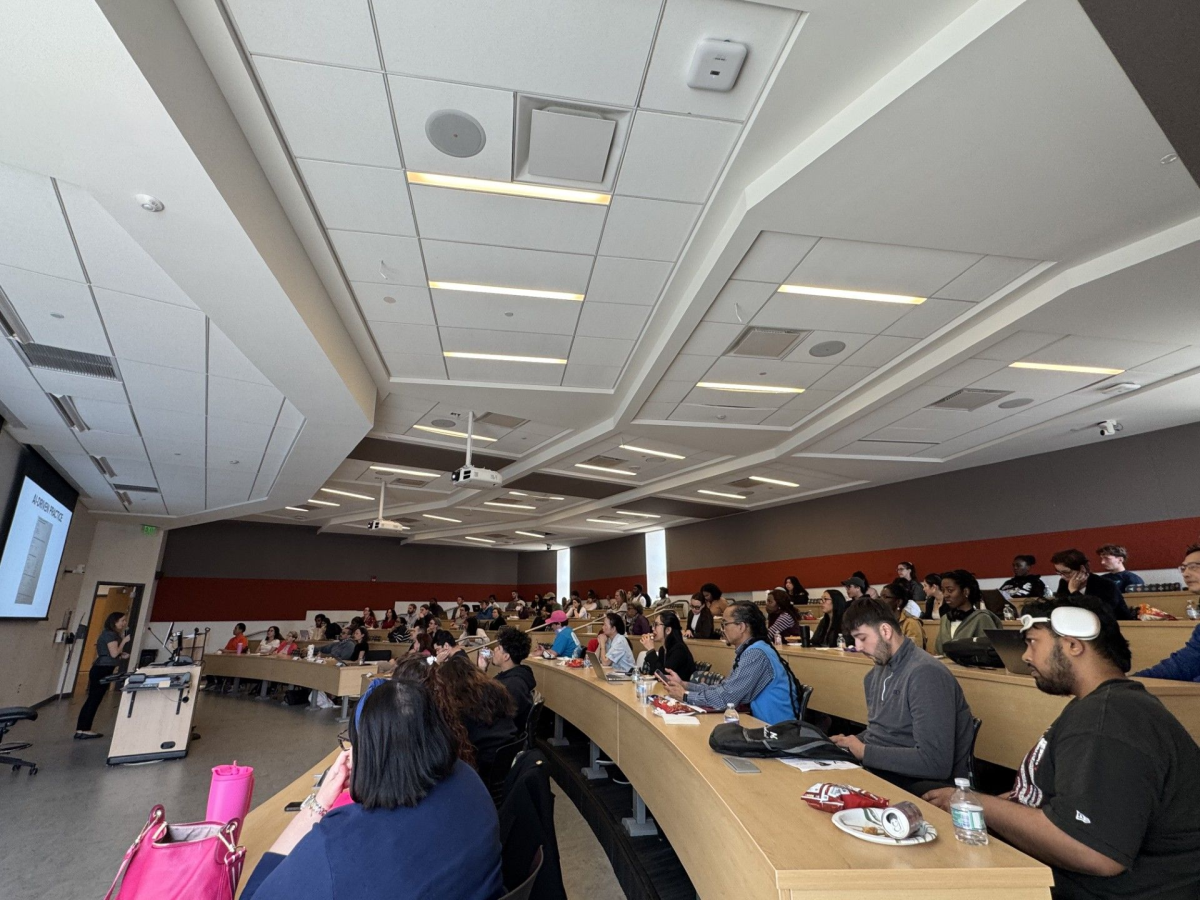
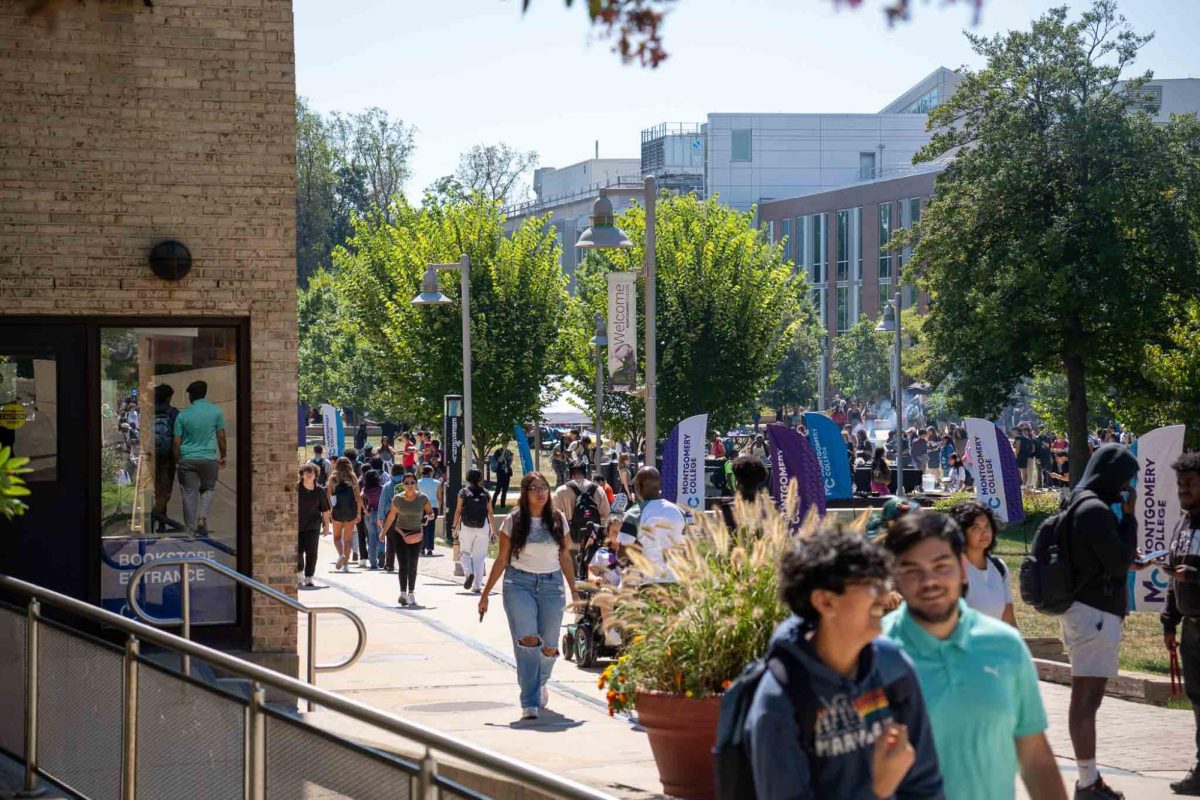
For many folks, college is regarded as one of the most socially transformative periods of their lives; a place where you may establish friendships that shape the course of your life, traditions that you hold dear to your heart, and events that help you feel connected to the school as a whole.
However, at Montgomery College, that could not be farther from the truth.
While events and student organizations exist on campus, I have noticed that most students tend to follow the same routine: come to campus, attend their classes for the day, and leave as soon as the day’s coursework ends.
While Montgomery College and the community college model as a whole serve to provide students with affordable education, flexible schedules, and opportunities to explore new career paths, these factors have incidentally resulted in students having a much more limited presence on campus.
Unlike the traditional university structure, defined by shared residential and dining halls — with everything you need being on or around campus — Montgomery College is entirely commuter-based. As a result of this structure, students often find themselves driving to attend their classes, then leaving to return to their lives outside of campus shortly thereafter. Without this shared sense of community that parallels conventional higher education, there is little incentive for people to remain on campus beyond the classes themselves.
This also contributes to a lack of student involvement in extracurricular activities. As many club meetings occur throughout the afternoon, it often becomes a hassle for students to take a leave of absence from their lives, commute to campus for that club meeting, then return to their out-of-school responsibilities afterwards. This becomes especially problematic if a student has obligations that conflict with meeting times, preventing those who may wish to participate in extracurricular activities from doing so.
Because of the flexibility that MC offers in a student’s schedule, you will rarely find two people on campus at the same time. While one student may take classes between 9:00 am and 2:00 pm, another student may take classes from 3:00 pm to 7:00 pm, or one student may take classes on Mondays and Wednesdays while another may take classes on Tuesdays and Thursdays. As a result, two students may rarely find themselves interacting with one another on campus. This flexibility creates an environment where people are constantly coming in and out of campus rather than maintaining a steady presence of students sharing the same spaces at the same time.
The culture of community college also contributes to this lack of social interaction. For many who wish to pursue a degree, community college acts as a stepping-stone to transfer to a four-year university. As a result, students are discouraged from establishing a social presence on campus, as, at the end of the day, they view MC as a temporary aspect of their greater academic career. If one is planning to transfer within a year or two, establishing friendships, attending clubs, and getting involved with the school can feel less meaningful.
Over time, these factors establish a perpetual cycle. When fewer students are on campus, fewer students will then participate in extracurricular activities or engage with one another. When fewer students socially engage with each other, the campus begins to feel less active and community-oriented, discouraging new students from getting involved in campus life, which further contributes to the lack of social activity on campus.
Despite the lack of social involvement from students on campus, the desire for a sense of community and social life does exist amongst the MC student body. They seek the same sense of community and connection associated with college life. However, the structure of community college often makes that sense of community difficult to access. Without consistency in student-to-student interaction and the obligations that come with life, having an established social life on campus often becomes something students must actively seek out and maintain rather than naturally falling into it.
While Montgomery College undeniably offers affordability, flexibility, and opportunities to become the person students want to be, these benefits come with caveats. The commuter-based model, varied schedules, and the temporary perception of one’s time at MC make it difficult to cultivate those special, long-lasting connections that many tend to associate with college.
Ultimately, Montgomery College succeeds in empowering students academically. However, building a true sense of community requires effort — from both the institution and the students willing to work beyond the classroom.